The Importance of Responsive Design in Today's World
Full article content about the importance of responsive design...
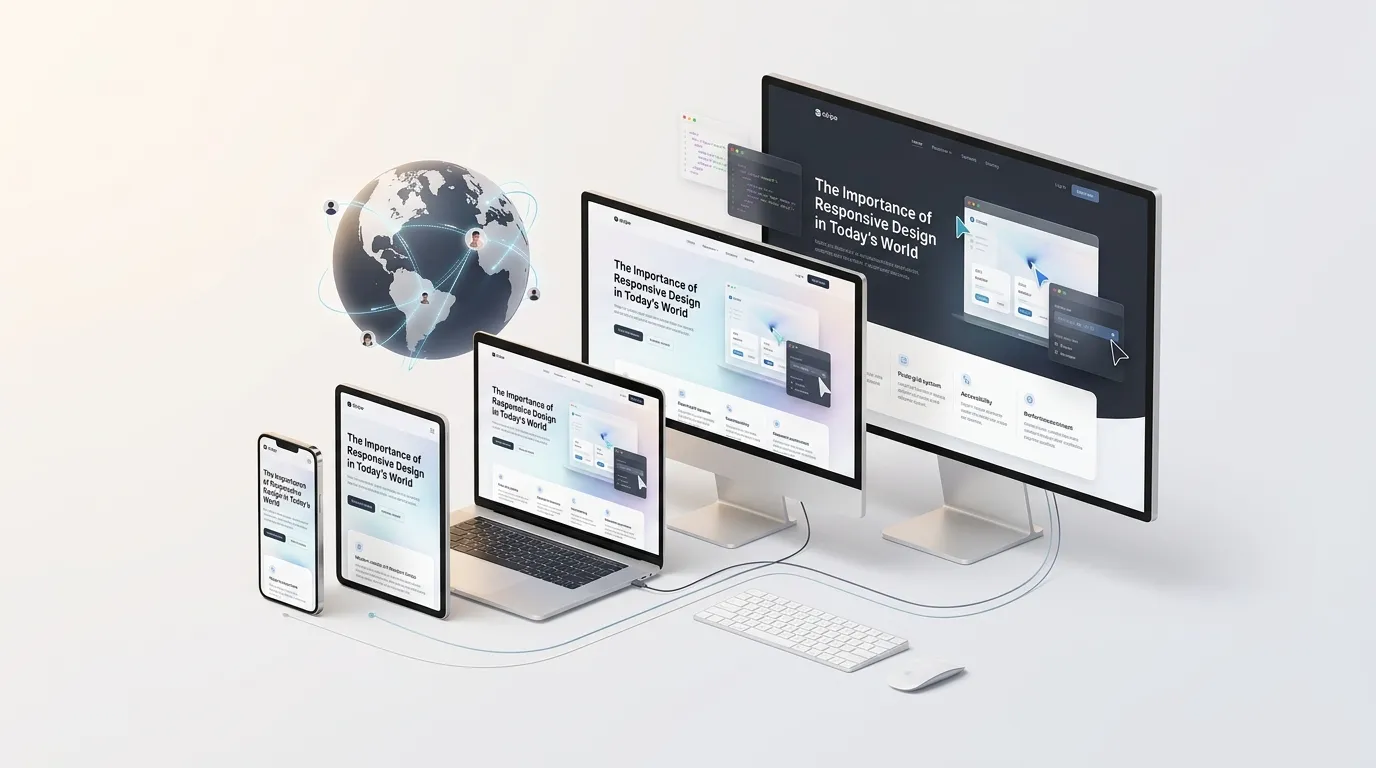
Responsive Web Design is an approach that aims to build websites that provide an optimal viewing experience across a wide range of devices (from desktop computers to mobile phones). This means easy reading and navigation with a minimum of resizing, panning, and scrolling.
Why is Responsive Design Important?
1. Increased Mobile User Access
The number of internet users via mobile devices is constantly increasing. If your website is not optimized for mobile, you will lose a large portion of your potential audience.
2. Improved User Experience (UX)
Responsive websites provide a better user experience. Users can easily navigate your site and find the information they need without difficulty, regardless of the device they use.
3. Positive Impact on SEO
Google has officially stated that responsive design is a ranking factor. Mobile-friendly websites usually rank better in search results.
4. Increased Conversion Rates
A better user experience leads to increased user trust and, consequently, higher conversion rates (such as purchases, registrations, or contacts).
5. Easier Management
Instead of having multiple versions of the website (one for desktop, one for mobile), you will have only one responsive website to manage and update, which saves time and money.
Key Principles of Responsive Design
- Flexible Grids: Using relative units like percentages instead of fixed units like pixels for column widths.
- Flexible Images: Ensuring that images scale correctly on different screen sizes.
- Media Queries: Using CSS Media Queries to apply different styles based on device characteristics like screen width.
Ultimately, investing in responsive design not only helps improve your online presence but also demonstrates your commitment to providing the best possible experience for all users.